

Our 10 Brand Marketing Tactics for Beauty and Cosmetics Brands
Beauty and cosmetics is one of the most competitive categories in the world. New brands launch every year, social platforms constantly introduce new trends, and consumers are more informed than ever about the products they buy.
Standing out in this environment requires more than good products. Brands need a clear identity, a strong relationship with their audience, and a consistent strategy for building trust and relevance over time.
For beauty and cosmetics brands, effective brand tactics help create that differentiation. The right mix of content, community building, partnerships and product storytelling can transform a brand from just another option on the shelf into one that people actively seek out.
Below are ten practical brand tactics that can help beauty and cosmetics brands grow awareness, build credibility and strengthen their connection with consumers.
1. Make Your Content SEO Friendly
Content remains one of the most effective ways to establish authority in the beauty industry.
Consumers constantly search for advice on skincare routines, makeup techniques, product comparisons and ingredient information. Brands that consistently provide helpful and informative content position themselves as trusted experts.
Publishing articles, tutorials and product education allows beauty brands to build credibility while attracting organic search traffic over time. Unlike paid advertising, well-optimised content continues to deliver value long after it has been published.
By focusing on topics that genuinely help consumers make better decisions, beauty brands can build long term relationships with audiences who return for advice and recommendations.
2. Strengthen Your Social Media Presence
Social platforms are central to the beauty category. They allow brands to demonstrate products visually, respond to customer questions and build a direct relationship with their audience.
Successful beauty brands treat social media as a two way conversation rather than a broadcast channel. Responding to feedback, sharing user stories and interacting with followers creates a sense of authenticity and accessibility.
Because beauty is such a visual category, platforms like Instagram, TikTok and YouTube offer brands an opportunity to showcase products through tutorials, demonstrations and creative storytelling.
3. Leverage User Generated Content
Few marketing assets are as powerful as content created by real customers.
User Generated Content provides social proof by showing how real people use and experience a product. In beauty and cosmetics, where personal experience matters, this type of content can strongly influence purchasing decisions.
Encouraging customers to share reviews, photos and tutorials allows brands to highlight authentic feedback while learning more about how their products are used in everyday routines.
Featuring this content across social channels also makes the brand feel more relatable and community driven.
4. Build a Community Around Your Brand
Some of the strongest beauty brands go beyond marketing and actively build communities around their products.
Online communities create spaces where customers can share advice, discuss routines and exchange recommendations. Over time, this interaction builds a deeper relationship between the brand and its audience.
Brands can support this by creating social groups, encouraging discussion through hashtags or hosting conversations with beauty experts.
Rare Beauty is a good example of how a strong community can strengthen loyalty and engagement.
5. Collaborate With Influencers
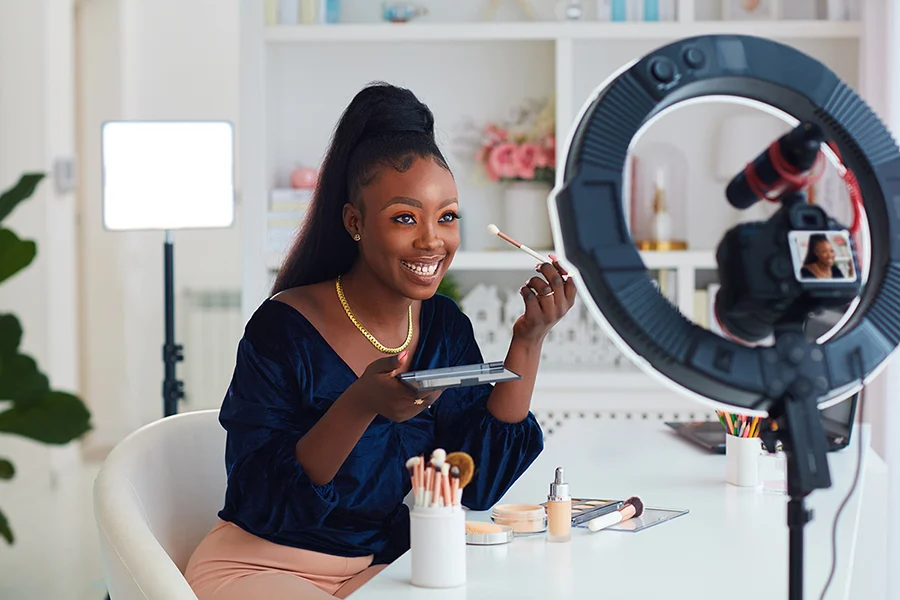
Influencer partnerships remain a powerful tactic for beauty brands.
Influencers offer credibility and reach within specific audiences, allowing brands to connect with consumers through trusted voices rather than traditional advertising.
Micro influencers in particular can be effective partners. Their smaller audiences often lead to stronger engagement and a more authentic connection with followers.
When influencers demonstrate products in real routines and everyday scenarios, potential customers can better understand how the product fits into their own lives.
6. Create Events and Brand Experiences
Events and experiences allow beauty brands to create memorable interactions with consumers.
Workshops, masterclasses, product launches and pop up stores give customers the opportunity to engage with products directly. These experiences also provide opportunities for demonstrations, expert advice and community building.
Events often generate social content and media attention, extending the impact far beyond the event itself.
7. Maintain a Consistent Visual Identity
Visual identity plays a major role in beauty branding.
In a crowded category, distinctive design elements help consumers recognise a brand instantly. Logos, colours, typography and packaging should remain consistent across websites, retail environments and social media.
Strong visual identity builds familiarity and helps consumers recall the brand when making purchasing decisions.
8. Test Your Visual Assets
Packaging is often the first interaction consumers have with a beauty product.
Well designed packaging can communicate quality, luxury and brand personality before a consumer even tries the product.
Testing packaging and creative assets can help brands understand which designs resonate most with their audience. Consumer feedback on packaging, advertising or point of sale materials can reveal insights that help refine creative direction.

At Traction, brands use our platform to test creative assets and gather rapid feedback from consumers, helping teams understand what drives attention and preference before launching campaigns.
9. Adopt Sustainable and Ethical Practices
Sustainability is becoming increasingly important for beauty consumers.
Many shoppers actively seek brands that demonstrate responsible sourcing, environmentally friendly packaging and transparent manufacturing processes.
Beauty brands that adopt ethical practices signal their commitment to broader social and environmental responsibility.
However, authenticity is critical. Consumers expect brands to back up sustainability claims with clear evidence and transparent communication.
10. Understand Your Brand, Category and Competition
All of these tactics become far more effective when brands deeply understand the environment they operate in.
Knowing how consumers feel about your brand, what competitors are doing and what trends are emerging in your category allows marketers to make better strategic decisions.
When brands understand what drives consumer relationships in their category, they can prioritise the tactics that will have the greatest impact on growth.
How This Connects to the Traction Framework
Within the Traction framework, brand growth is driven by the strength of the relationship between brands and consumers.
Many of the tactics discussed above influence Drivers such as Relevance, Connection, Differentiation and Popularity.
Content and education help strengthen Relevance, ensuring brands show up in ways that reflect consumer needs and interests.
Community building, influencer partnerships and social engagement improve Connection, making brands feel more relatable and human.
Distinctive packaging, creative assets and innovation contribute to Differentiation, helping brands stand out in crowded categories.
Finally, strong visibility across channels increases Popularity, building the kind of cultural momentum that drives awareness and conversation.
At Traction, we measure these Drivers continuously, helping marketers understand how consumers really feel about their brand and which actions will strengthen those relationships over time.
Because when relationships improve, brand growth tends to follow.