

Value for Money is one of the most misunderstood Drivers in brand growth. It is easy to assume it is simply about being cheaper, but consumers rarely evaluate brands on price alone. They judge whether the experience, quality, convenience, status, usefulness and emotional value are worth what they are being asked to pay.
What Is Value for Money?
Value for Money measures the extent to which consumers feel a brand justifies its cost. It is the relationship between price and perceived value, not price in isolation. A premium brand can still perform strongly on Value for Money if consumers believe the product, experience and emotional reward are worth the price.
That makes this Driver especially important for brands operating in competitive categories. If consumers cannot understand why a brand is worth paying for, the brand becomes vulnerable to discounting, switching and competitor comparison. If consumers do understand the value exchange, the brand has more room to protect price, defend premium positioning and build repeat purchase.
Why Value for Money Matters for Brand Growth
Every brand is constantly being judged against an invisible value equation: what am I paying, and what am I getting in return? That return might be functional, emotional, social or experiential. For some consumers, value is about durability and performance. For others, it is about convenience, confidence, status, design or service.
The strongest brands do not necessarily win by lowering price. They win by increasing the perceived worth of what they offer. This is why Value for Money becomes a growth Driver rather than just a pricing question. It shapes whether people feel good about buying the brand, whether they are willing to buy again, and whether they can justify choosing it over alternatives.
- helps reduce price sensitivity
- supports repeat purchase and retention
- protects brand equity during promotional periods
- strengthens perceived quality and trust
- helps premium brands justify higher price points
- supports growth during periods of economic pressure
Brands Appealing to Value for Money
Value for Money looks different depending on the category. For some brands, it is built through affordability. For others, it is built through premium cues, quality signals and a shopping experience that makes the price feel justified.
Massimo Dutti
Massimo Dutti is a useful example because the brand does not rely on being the cheapest option within fashion. Instead, it builds value perception through elevated stores, premium-feeling fabrics, refined styling and a more considered shopping experience.
The consumer appeal comes from the sense that the brand offers a more premium experience at a more accessible price point than traditional luxury. That balance helps consumers feel that what they are paying is justified by the quality, environment and overall brand experience.

Audi
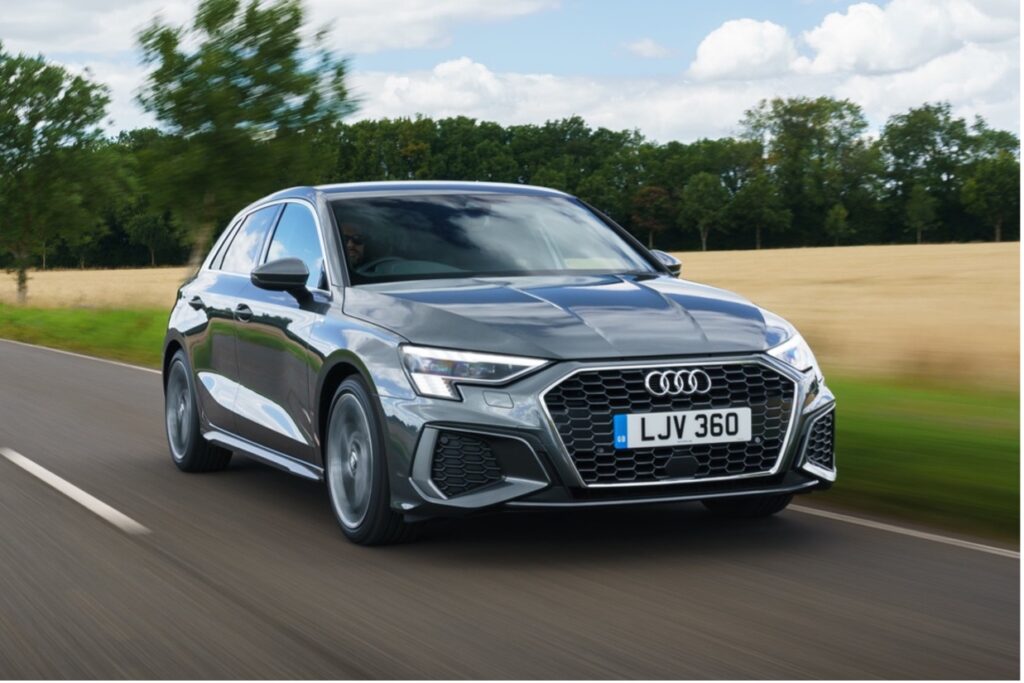
Audi strengthens Value for Money by balancing luxury, performance and accessibility across a broader range of models. The brand communicates premium design, comfort, safety and technology, while still offering different price tiers that allow more consumers to access the brand.
That matters because Value for Money is not about making the product feel cheap. It is about helping consumers believe that the product delivers enough quality, status and performance to justify the cost. Audi does this by making premium cues visible across the range.
How Brands Can Improve Value for Money
1. Align price with perceived quality
Pricing decisions should be made with a clear understanding of what consumers believe they are receiving in return. A higher price can work if the brand has enough emotional pull, quality perception and credibility to support it.
2. Use packaging to reinforce value
Packaging is often one of the first value signals a consumer receives. Premium materials, clearer hierarchy, stronger claims and pack formats that suit different needs can all increase perceived worth.
3. Communicate the strongest claims clearly
If a product has clear advantages, those advantages need to be visible. Strong claims, USPs and proof points help consumers understand why the brand is worth paying for.
4. Be careful with promotional frequency
Promotions can drive trial, but over-promoting can weaken value perception if consumers begin to believe the brand is only worth buying on discount. The strongest brands use promotions strategically rather than habitually.
5. Improve the wider customer experience
Delivery, returns, service, onboarding, retail environment and digital experience all contribute to Value for Money. Consumers judge the whole experience, not just the product itself.
How Traction Helps Brands Measure Value for Money
At Traction, we help brands understand how consumers emotionally and rationally respond to value perception in real time. Traditional pricing analysis can show what people bought, but it rarely explains why they felt a brand was worth paying for, or why they switched to a competitor.
Traction measures daily shifts across the 16 Drivers of Brand Relationships, helping brands see whether activity is strengthening Value for Money alongside related Drivers such as Aspiration, Performance, Familiarity and Accessibility.
This helps marketing and insight teams understand:
- whether consumers feel the brand justifies its price
- how promotions affect long-term value perception
- whether packaging, claims or experience changes improve perceived worth
- which audiences are becoming more price sensitive
- how competitors are changing the value equation in the category
- whether premium positioning is building or weakening emotional value
For brands trying to protect margin, justify premium pricing or grow share without constant discounting, Value for Money is a Driver worth tracking closely.
Related Drivers
Value for Money rarely moves in isolation. It is closely linked to Aspiration, Performance, Accessibility and Familiarity. A brand can become more aspirational and still be seen as good value if consumers believe the experience is worth the price. Equally, a brand can become more affordable but lose value perception if quality or trust declines.