

Accessibility is one of the most commercially important Drivers because it shapes how easily consumers can interact with, purchase from and gain value from a brand.
Modern consumers expect brands to be intuitive, frictionless and fast. Whether online or offline, people increasingly gravitate towards experiences that feel simple, seamless and convenient. When brands become difficult to navigate or use, consumers quickly begin searching for alternatives that require less effort.
The strongest accessible brands reduce complexity at every stage of the customer journey. They make it easier for consumers to discover products, make decisions, complete purchases and resolve problems quickly.
WHAT IS ACCESSIBILITY?
Accessibility measures how strongly consumers feel a brand is easy to use.
This can include digital experience, customer service, navigation, onboarding, packaging, payments, delivery, communication and overall convenience.
Importantly, Accessibility is not only about technology. It is about reducing friction across the full brand experience. Consumers rarely separate one touchpoint from another. They judge the ease of interacting with the brand as a whole.
Brands that perform strongly on Accessibility often create stronger emotional relationships because consumers associate them with simplicity, reliability and ease.
WHY ACCESSIBILITY MATTERS FOR BRAND GROWTH
Accessibility directly impacts conversion, retention and customer satisfaction.
When consumers feel a brand is easy to use, they are often:
• more likely to purchase repeatedly
• less likely to switch to competitors
• more likely to recommend the brand
• more willing to explore additional services or products
• more trusting of the overall experience
In crowded categories, ease of use can become a major competitive advantage. Consumers increasingly reward brands that save them time, reduce effort and simplify decision-making.
BRANDS APPEALING TO ACCESSIBILITY
MOONPIG
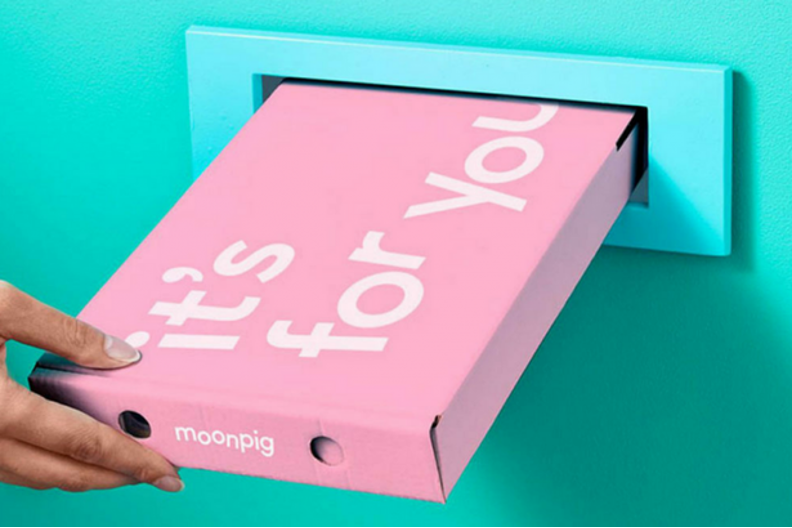
Moonpig built Accessibility by solving a real consumer frustration in a highly intuitive way.
The platform simplified gifting and greeting card purchasing by creating an easy-to-navigate experience organised around occasions, reminders and fast delivery. Consumers do not need to spend excessive time searching or planning. The platform guides them quickly towards a solution.
Ease of use is reinforced through personalised recommendations, straightforward checkout journeys and clear product categorisation. Combined with rapid fulfilment, this creates a seamless experience that fits naturally into busy consumer lifestyles.
AMAZON
Amazon remains one of the strongest examples of Accessibility at scale.
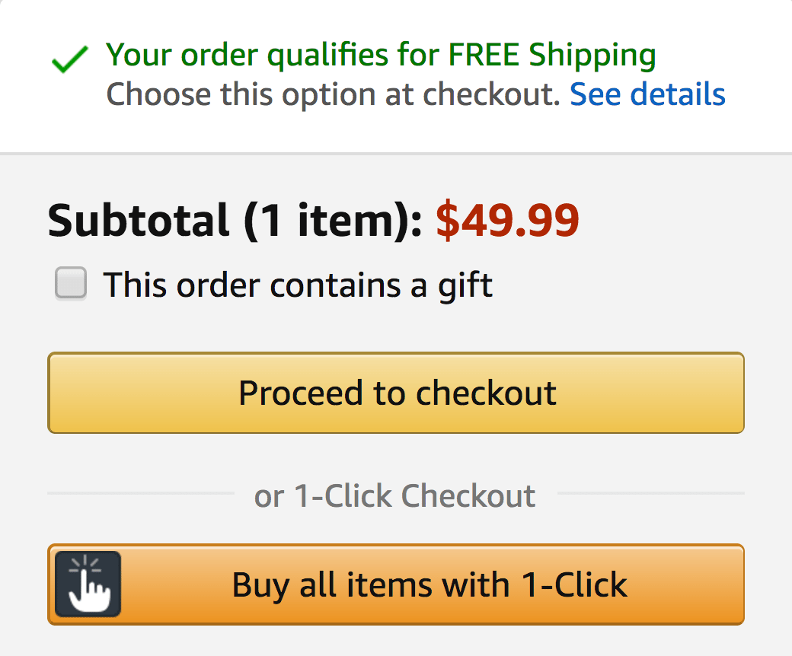
The platform is designed to minimise friction across every stage of the customer journey. Search functionality, navigation, recommendations, saved preferences and one-click purchasing all contribute to an experience that feels fast and effortless.
Importantly, Amazon removes the need for consumers to overthink decisions. Reviews, rankings, popularity indicators and personalised recommendations simplify product discovery and reduce purchase anxiety.
That combination of speed, familiarity and convenience strengthens both repeat usage and long-term loyalty.
HOW BRANDS CAN IMPROVE ACCESSIBILITY
1. Simplify the customer journey
Reduce unnecessary steps across discovery, purchase and support experiences.
2. Improve navigation and search
Consumers should be able to find what they need quickly and intuitively.
3. Invest in responsive customer support
Accessible support channels help reduce frustration and strengthen trust.
4. Optimise across devices and touchpoints
Consumers expect seamless experiences across mobile, desktop, retail and social environments.
5. Design around real consumer behaviour
Understanding routines, usage occasions and friction points helps brands improve accessibility meaningfully.
HOW TRACTION HELPS BRANDS MEASURE ACCESSIBILITY
At Traction, we help brands understand how consumers emotionally and rationally respond to ease of use across the full customer experience.
Traditional customer experience metrics often struggle to explain how friction impacts long-term emotional relationships with brands. Traction measures daily movement across the 16 Drivers of Brand Relationships, helping brands understand:
• whether consumers perceive the brand as easy to use
• where friction is damaging emotional connection
• how customer experience changes impact perception
• which audiences value convenience most strongly
• how competitors are improving accessibility within the category
• whether simplification efforts are strengthening loyalty
For brands operating in increasingly fast-moving and digitally driven markets, Accessibility is a Driver worth tracking closely.
RELATED DRIVERS
Accessibility is closely linked to Drivers such as Reliability, Familiarity, Value for Money and Trust. Brands that consistently reduce friction often strengthen both emotional loyalty and long-term retention simultaneously.