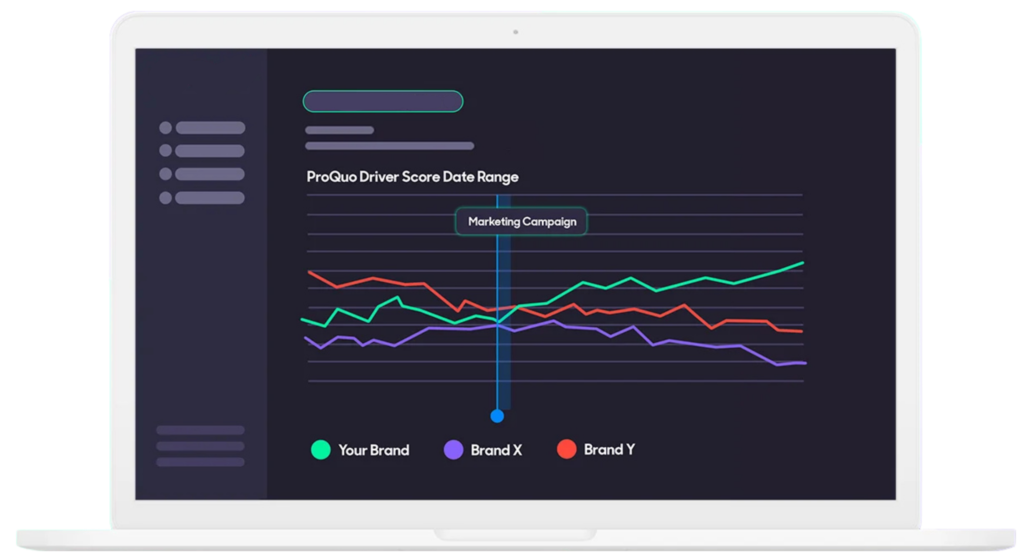

Brand tracking and brand tracking software has long been a cornerstone of marketing measurement. But the way it has traditionally been done no longer reflects how brands actually operate today.
In a fast-moving environment where campaigns launch daily, trends shift overnight and consumer expectations evolve constantly, relying on static brand tracking methods is like looking in the rear-view mirror.
You can see where you’ve been, but not where you’re going.
Why Traditional Brand Tracking Is Falling Behind
Traditional brand tracking studies were built for a slower world. Typically conducted monthly, quarterly or even annually, they provide fixed snapshots of performance over time.
While these snapshots can offer a high-level view, they fail to capture the pace at which brand perception now changes.
By the time insights are delivered, the context has already shifted, campaigns have moved on and opportunities to act have passed.

The Problem With Static Brand Tracking
Static brand tracking tools create four key challenges for modern marketers.
First, they are backward-facing. Insights arrive after the fact, making it difficult to influence outcomes while campaigns are still live.
Second, they are unreactive. Without continuous data, brands cannot adjust messaging or creative in real time.
Third, they are often unactionable. Large reports filled with data points rarely translate into clear next steps.
And finally, they struggle to show causation. When multiple activities happen within a reporting window, it becomes difficult to understand what actually drove change.
Why Always-On Brand Tracking Changes Everything
Modern brand tracking software takes a fundamentally different approach.
Instead of periodic measurement, always-on platforms continuously capture how consumers feel about a brand. This provides a live view of performance, allowing marketers to see how perception evolves over time.
This shift turns brand tracking from a reporting function into a decision-making tool.
From Measurement to Momentum
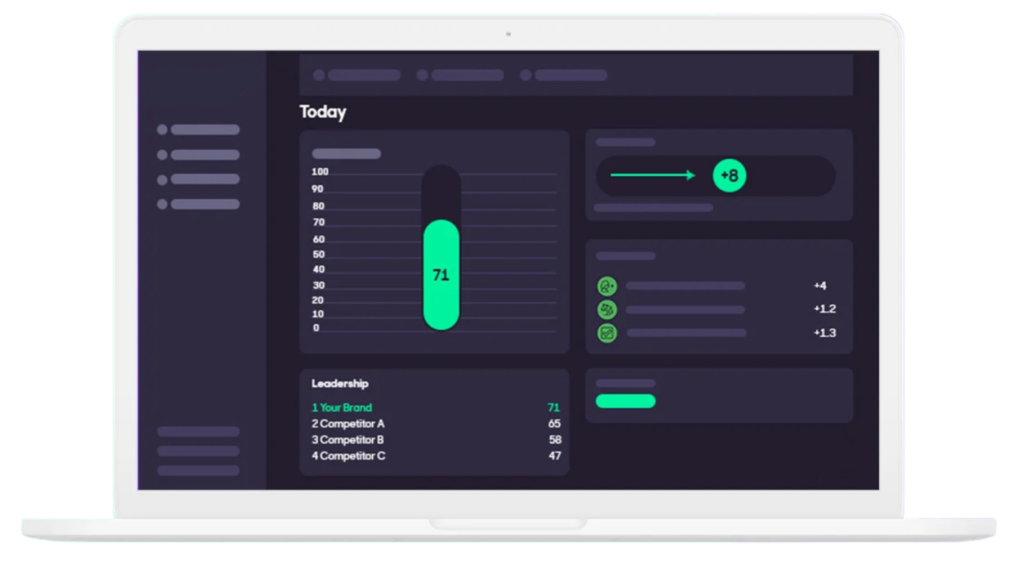
One of the biggest advantages of always-on brand tracking is the ability to understand momentum.
Rather than seeing isolated data points, brands can track how perception builds, peaks and declines. This makes it easier to identify what is driving growth and where performance is weakening.
With this level of visibility, marketing teams can optimise campaigns while they are still running, rather than reviewing performance after the fact.
Making Brand Tracking Actionable
Always-on platforms also make data easier to act on.
Instead of overwhelming reports, marketers gain access to clear, structured insights that highlight what is working and what needs to change.
This allows teams to move faster, make more confident decisions and continuously improve performance.
Connecting Activity to Impact
Another key advantage is the ability to link marketing activity directly to brand performance.
By tracking campaigns, product launches and external events alongside brand data, marketers can understand how specific actions influence perception.
This makes it easier to justify spend, refine strategy and build stronger cases with stakeholders.
How This Connects to the Traction Framework
At Traction, brand growth is driven by the strength of the relationship between brands and consumers.
Our framework measures this through key Drivers such as Awareness, Relevance, Connection and Differentiation.
Always-on brand tracking allows marketers to see how these Drivers evolve in real time, providing a clearer understanding of what strengthens consumer relationships and what weakens them.
This is where brand tracking becomes truly valuable. Not as a retrospective report, but as a live view of how your brand is performing today.
Why This Matters for Modern Marketing Teams
Increasing competition and faster marketing cycles mean brands cannot afford to rely on outdated measurement methods.
Always-on brand tracking gives teams the ability to respond faster, adapt strategy in the moment and build stronger brands over time.
Because when you understand how people feel about your brand as it changes, you can act on it while it still matters.